01
Controlled itinerary communication
Identify who may submit changes and who should receive chauffeur or pickup updates. A defined contact chain reduces conflicting instructions and unnecessary distribution of trip details.

Empire Limos International plans chauffeur transportation for public figures, artists, athletes, executives, hosted guests and their teams. Each reservation connects the passenger, authorized contacts, vehicle, pickup instructions and changing itinerary under one organized travel plan.
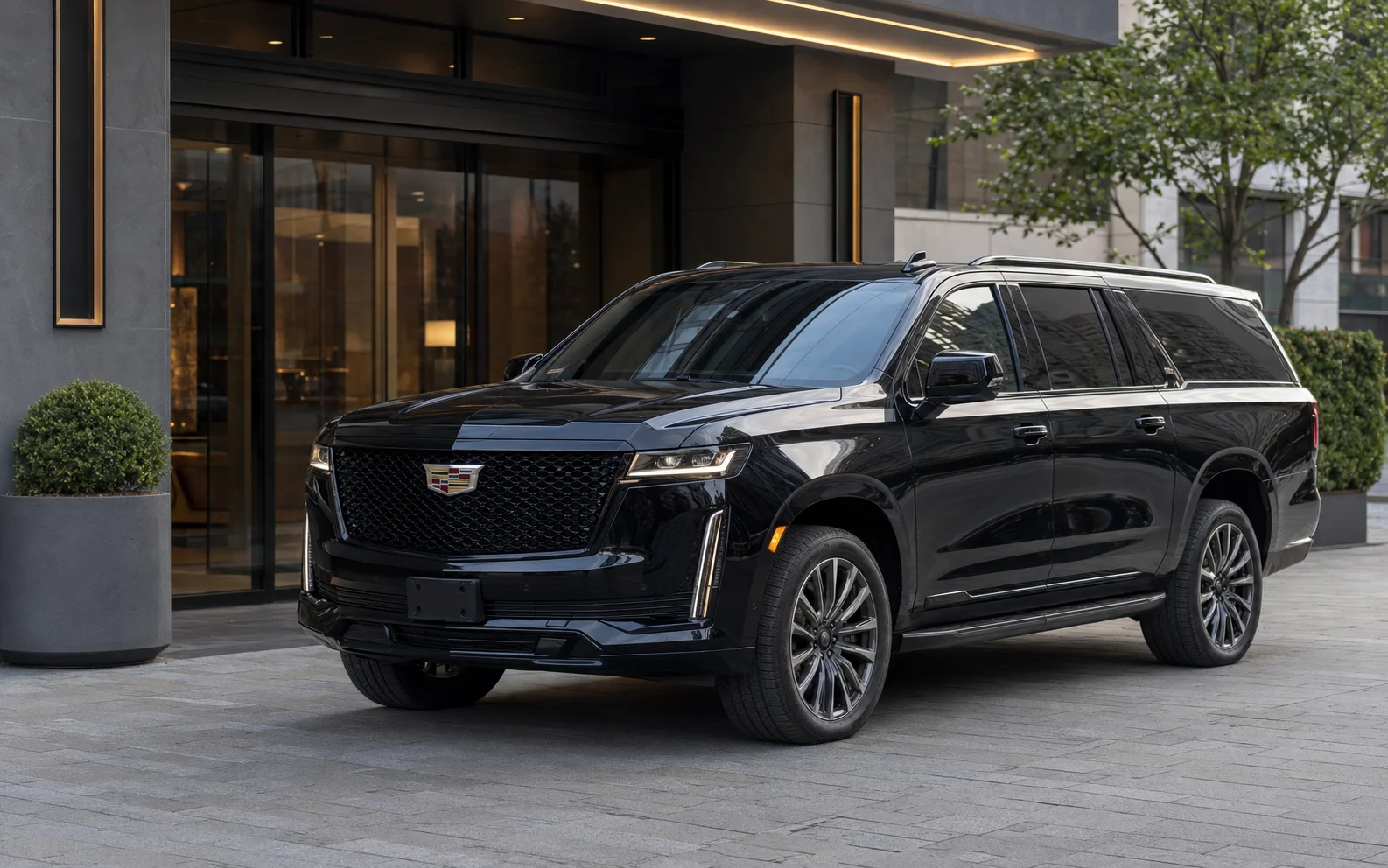
A recognizable passenger may have a short arrival window, several authorized contacts, restricted venue access, equipment or luggage, and a schedule that changes after the vehicle is dispatched. The transportation plan must organize those dependencies before pickup.
Identify who may submit changes and who should receive chauffeur or pickup updates. A defined contact chain reduces conflicting instructions and unnecessary distribution of trip details.
Commercial terminals, FBOs, hotels, residences, studios and event venues use different access points. The reservation should record the agreed meeting location and any credential or loading requirements.
Passenger count alone does not determine fit. Luggage, wardrobe, production cases, staff, child travel items and desired cabin space can change the appropriate vehicle category.
The operating plan can connect flight arrival, hotel departure, venue call time, backstage access, event release and final drop-off so each handoff supports the next movement.
The passenger may be the principal, but a successful movement can also depend on assistants, managers, family members, publicists, production staff and client-provided security personnel.
Airport or FBO arrivals, rehearsals, media calls, sound checks, performances, hospitality locations and late-night returns organized under one itinerary.
Transportation between hotels, studios, location sets, interviews, premieres and scheduled appearances with clear coordinator contacts.
Planned transfers for airports, hotels, training locations, stadiums, sponsor events, media commitments and personal appointments.
Direct or hourly transportation connecting business aviation, meetings, conferences, hotels, private dinners and public-facing engagements.
Chauffeur service arranged by hotels, brands, agencies, family offices and hosts for travelers who expect organized, responsive ground transportation.
Separate or combined vehicle plans for the principal, family, staff, luggage and equipment when one vehicle cannot support the complete movement.
The strongest request explains the complete assignment, including the people, timing, locations, vehicle needs and communication rules that shape the service.
Provide the date, city, first pickup, expected duration, planned stops and final destination.
Include passenger count, luggage, staff movement, accessibility needs and any separate vehicle requirements.
Name the assistant, manager, travel coordinator or other contact permitted to receive and change trip instructions.
Record terminal, FBO, hotel, residence, venue, loading area, credential and staging information available before service.
Review the vehicle category, service format, planned duration, quote and applicable reservation conditions.
The chauffeur follows the confirmed schedule while authorized contacts communicate material timing or destination changes.
A direct transfer, hourly assignment and multi-vehicle movement require different information. Choosing the correct format keeps the quote and operating plan aligned with the schedule.
One confirmed pickup and one confirmed destination.
Pickup time, exact addresses, passenger contact and vehicle space.
Commercial flight pickup followed by hotel, residence or venue transportation.
Airline, flight number, terminal process, luggage and onward destination.
Private aviation arrival or departure through a fixed-base operator.
Tail or flight details, FBO location, permitted access and ground contact.
Several stops, waiting periods or changing departure times.
Expected duration, known stop order, service area and final destination.
Principal, entourage, staff, luggage or equipment moving in separate vehicles.
Manifest, vehicle roles, loading order, lead contacts and synchronized timing.
Tell the reservation team who owns the itinerary and which contacts manage passenger, venue, aviation or protection-related instructions.
Submits passenger details, timing, addresses and approved itinerary changes.
Confirms credentials, vehicle entrance, loading zone, staging and release instructions.
Shares flight, FBO, terminal or approved aircraft-access information relevant to pickup.
Provides movement timing and access directions when a client-arranged protection team is part of the itinerary.
The right category depends on usable seating and cargo space, not appearance alone. Review the complete assignment before confirming a sedan, SUV, Sprinter or group vehicle.
Concerts, premieres, galas, sports events, brand appearances and media commitments can involve controlled entrances, short arrival windows and post-event congestion.
Confirm principal, contacts, timing, vehicle and known access instructions.
Begin at the agreed hotel, residence, airport, FBO or prior engagement.
Follow the confirmed entrance, loading or staging instructions.
Operate within the reserved service period and agreed waiting plan.
Complete the planned return, after-event stop or final drop-off.
Privacy starts with practical data handling. Provide only the trip information needed for the assignment and establish who can receive it, change it and communicate with the passenger.
Use the service type that matches the passenger's primary travel requirement.
Answers for assistants, managers, planners and travelers organizing high-profile ground transportation.
Provide the service date, city, pickup time, locations, passenger count, luggage, expected duration, vehicle preference, known stops and the authorized trip coordinator. Include flight, FBO, venue or production details when they affect access and timing.
Yes. A designated coordinator can arrange transportation for the passenger. The reservation should identify the passenger contact, booking contact and people authorized to receive or change itinerary instructions.
Authorized contacts may communicate timing, stop or destination changes for review. Feasibility can depend on the reserved service period, vehicle schedule, geography, chauffeur availability and applicable reservation conditions.
Commercial airport and FBO transportation can be requested. Share the airline and flight number for commercial aviation, or the FBO, flight or tail details and ground contact for private aviation. Plane-side access depends on airport, operator and FBO rules.
Vehicle timing and movement instructions can be coordinated with security personnel designated by the client. Chauffeur transportation is not a substitute for executive protection, threat assessment or other licensed protective services.
Yes, multi-vehicle transportation can be requested for the principal, family, staff, luggage or equipment. A passenger manifest, vehicle roles, loading order and lead contacts help organize synchronized movements.
The correct vehicle depends on passenger count, luggage, staff, equipment, preferred cabin space and itinerary. Sedans may suit individual travel, SUVs add space, and Sprinters can support small groups. Specific models and amenities depend on market availability.
Hourly as-directed service can support several stops, planned waiting and a changing schedule within the confirmed service period. Share the expected duration, known stops and final destination when requesting a quote.
Yes. A connected itinerary may include airport or FBO pickup, hotel transfer, venue arrival, waiting time and a final return or departure transfer. Exact service structure depends on timing and whether the booking is point-to-point or hourly.
Empire Limos provides 24/7 reservation assistance. Vehicle and chauffeur availability depends on the service market, date, lead time, vehicle category and complete itinerary, so advance booking is recommended for complex assignments.
Prepare the service date, cities, passenger count, luggage, known stops, expected duration and authorized coordinator. The team can then review the appropriate vehicle and reservation format.