01 / CONTINUITY
One Vehicle Across Several Stops
Keep a connected itinerary under one reservation when the chauffeur needs to remain part of the day's movements between appointments and activities.

Reserve a chauffeur-driven vehicle for a defined block of time when your day includes meetings, appointments, waiting periods, events, shopping stops, airport movements or plans that may change. One reservation keeps the vehicle connected to the itinerary while the schedule is reviewed around your passengers, luggage and destinations.
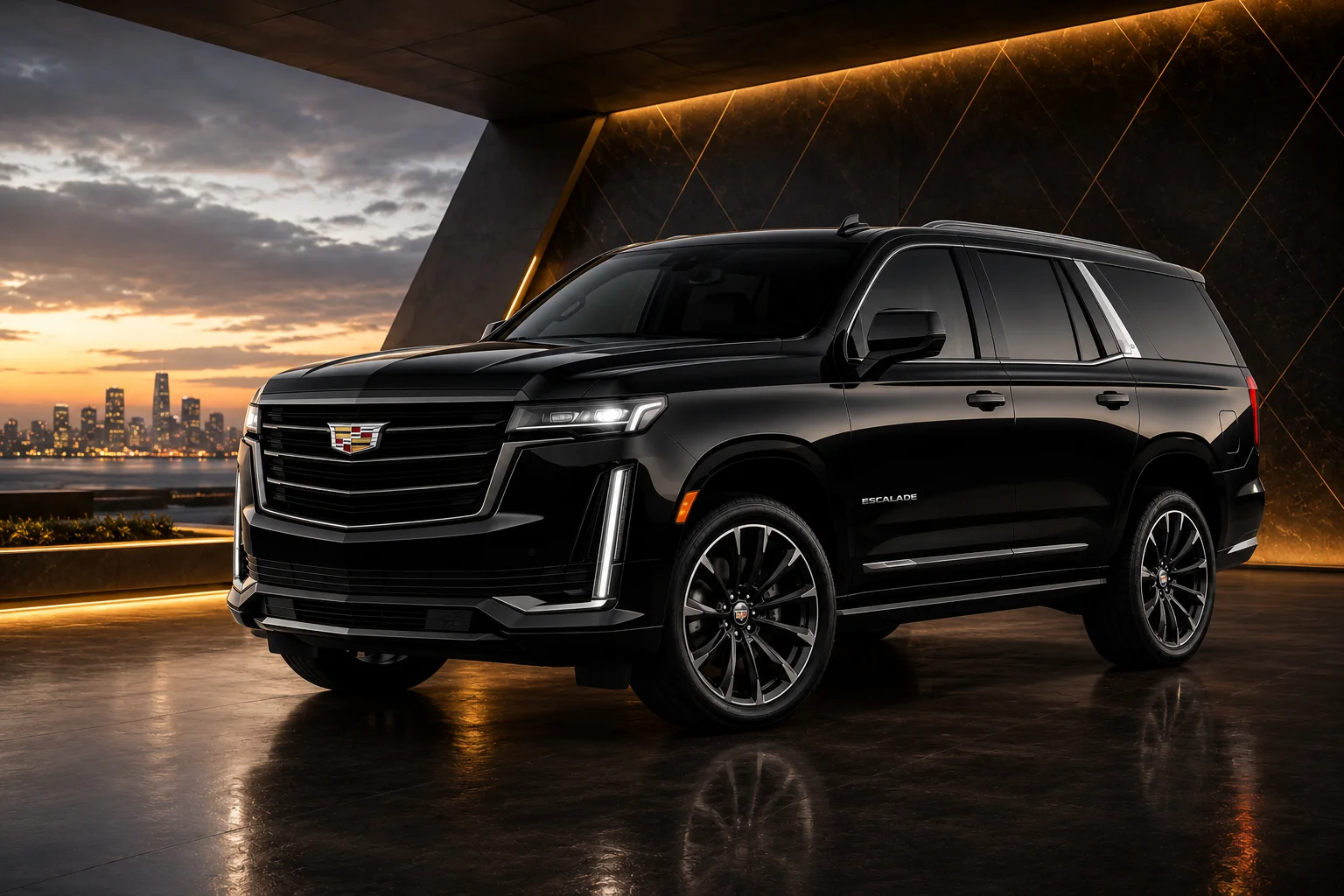
A direct transfer normally connects one pickup with one destination. Hourly chauffeur service serves a different schedule. It keeps transportation available during a defined service period while the passenger moves between meetings, meals, appointments, events or other planned stops.
That structure can help when arranging a new ride after every activity would break the day into unrelated bookings. The reservation still needs a clear starting point, estimated duration, known destinations and final destination so the requested vehicle and schedule can be reviewed before service.
View all Empire Limos servicesThe number of stops, expected waiting time and need for vehicle continuity should guide the reservation type. Choosing the format that matches the actual itinerary makes the booking easier to plan.
| Planning Factor | Hourly Chauffeur Service | Point-to-Point Transfer |
|---|---|---|
| Typical itinerary | Several connected stops or waiting periods. | One scheduled pickup and one destination. |
| Vehicle continuity | The reserved vehicle remains part of the itinerary during the confirmed period. | Service generally finishes at the confirmed drop-off. |
| Schedule changes | Updates can be submitted for review within the reserved period. | A changed destination may alter the original transfer. |
| Common fit | Meetings, events, shopping, tours and hosted schedules. | Airport, hotel, residence and direct city-to-city travel. |
| Booking information | Estimated duration, stop list, passengers and final destination. | Pickup time, pickup address, destination and passenger details. |
Hourly travel makes sense when the vehicle needs to remain available across several connected movements. The benefit comes from matching the reservation to the actual day rather than treating every stop as a separate ride.
Keep a connected itinerary under one reservation when the chauffeur needs to remain part of the day's movements between appointments and activities.
Include expected meeting, dining, shopping or event time when estimating how long the vehicle needs to remain available.
Send added destinations or changed timing to the reservation team. Changes remain subject to the existing service conditions and available time.
When suitable for the trip, passengers can avoid repeatedly moving bags, work materials or other belongings between unrelated vehicles.
Submit the passenger, contact, stop and timing information as one transportation plan so the request reflects the whole assignment.
Passenger count, luggage, accessibility, trip purpose and cabin needs help determine the requested vehicle category for the service period.
Give the reservation team the complete transportation assignment instead of only the first pickup address. These five steps organize the information needed for review.
Send the date, pickup time, first location, planned stops and expected end time.
Include passenger names, contact details, luggage and the coordinator managing the booking when applicable.
Review sedan, SUV, Sprinter and group categories based on the complete assignment.
Confirm duration, vehicle category, pricing and the reservation conditions that apply to the requested trip.
The chauffeur follows the confirmed schedule and communicated trip instructions during the service period.
The occasion matters less than the itinerary. These travel plans often include several movements, waiting periods or timing that needs to stay connected.
Hotel, office, client, dining and airport movements can be organized as one business-day itinerary.
View corporate transportationConnected appointments can follow a defined stop order with planned waiting and communication between meeting windows.
Move between stores, showrooms, personal appointments and a final hotel or residence without arranging separate rides.
View vehicle optionsDinner, venue arrival, event waiting time and the return trip can be planned under one reservation.
Plan a sequence of landmarks, neighborhoods, dining stops and hotel movements around a defined service period.
Arrange transportation for clients, speakers, family members or visitors following an organized local itinerary.
Passenger count is only one part of the decision. Luggage, personal materials, trip purpose, stop pattern, cabin space and group size also affect the requested category.
Suitable for an individual traveler or couple with a meeting, dining, airport or city itinerary.
Useful when passengers need more cabin room, luggage capacity or space for a small executive team.
Supports group travel between meetings, hotels, venues, airports and dining locations when the category is available.
Group categories can support conference attendees, delegations, employee movements and scheduled event transportation.
An executive may start at a hotel, attend several meetings, stop for lunch and finish at an airport or FBO. Hourly service can keep those movements within one planned transportation assignment.
The times below are only an illustration. Actual duration, waiting requirements, routing and availability should be reviewed when the reservation is requested.
Passenger and first destination confirmed.
Vehicle remains part of the scheduled assignment.
Second address follows the confirmed stop order.
Planned dining time forms part of the itinerary.
The final movement completes the reserved schedule.
Some travelers need more than an airport-to-hotel transfer. The arrival may continue to an office, meal, property visit, meeting or event before the final destination.
Share the flight, pickup method and onward stops so the reservation team can review the complete ground transportation request.
Include airline, flight number, airport, passenger contact and expected luggage.
Share the requested terminal meeting point and any pickup instructions.
List the office, hotel, dining, event and final destination in expected order.
A complete request gives the reservation team a clearer picture of the actual schedule, vehicle needs and service period.
Share the local calendar date for the assignment.
Give the requested vehicle arrival or passenger pickup time.
Use the hotel, residence, office, airport, FBO or venue address.
Give the expected number of service hours.
List addresses in expected travel order.
Tell the team where the assignment is expected to end.
Include names, mobile contacts and total passenger count.
Share luggage, group size and preferred vehicle category.
Review these common planning questions before submitting your request. Final availability, pricing, minimum duration, vehicle category and service conditions should be confirmed for the specific trip.
Share where the itinerary starts, how long the vehicle should remain available, which destinations are known and where the passenger plans to finish. The reservation team can review the requested service around the actual travel plan.