Atlantic Aviation
Use the facility name supplied by the flight department, charter operator or passenger. Staging and passenger handoff remain subject to the FBO's instructions for the individual movement.

Coordinate prearranged chauffeur transportation for private jet passengers, executives, family offices, flight departments and aircraft crews using OPF. The reservation connects the exact FBO, aircraft identifier, arrival or departure timing, passenger contact, luggage and onward destination.
Miami-Opa Locka Executive Airport serves general and business aviation in northern Miami-Dade County. Passengers do not arrive through one shared airline terminal. They use a specific fixed-base operator, and each facility can have its own vehicle staging, lobby access and ramp procedures.
That difference shapes the reservation. “Pickup at OPF” is incomplete if the selected FBO, aircraft tail number or callsign, lead passenger contact and onward address are missing. Accurate information helps the chauffeur approach the correct facility and gives the traveler a clearer handoff plan.
For travelers using other private aviation facilities, Empire Limos also provides a broader FBO ground transportation guide. For this trip, keep OPF, the handling facility and the aircraft identifier together on every update so the ground plan remains tied to the correct movement.
Miami-Dade Aviation Department currently lists three FBO providers at OPF. Confirm the facility used by the aircraft rather than choosing one from a general airport list.
Use the facility name supplied by the flight department, charter operator or passenger. Staging and passenger handoff remain subject to the FBO's instructions for the individual movement.
Confirm that the aircraft is handling through this OPF facility and include the correct traveler contact. The chauffeur plan should follow the designated meeting location communicated for the trip.
Provide the OPF facility, aircraft details and destination before dispatch. Similar brand names can operate at other airports, so the OPF location must remain attached to the reservation.
An arrival depends on aircraft movement and passenger readiness. A departure begins with the required aircraft-side or FBO arrival target.
The chauffeur plan uses the expected movement, facility and available aircraft details as timing context. Passenger handoff follows the meeting point permitted by the FBO.
Departure timing works backward from the required FBO arrival. Pickup planning should allow for loading, Miami-area road conditions, additional stops and operator instructions.
Ramp access is controlled by airport and FBO procedures. A chauffeur-driven vehicle cannot enter the aircraft operating area simply because a passenger requested plane-side service. The facility must permit and coordinate access for the specific movement.
When authorization is unavailable, the chauffeur stages at the location designated by the FBO. The passenger moves through the private terminal or approved access point and meets the vehicle there.
Confirming this distinction before arrival prevents the passenger, flight department and chauffeur from working with different expectations.
The reservation should describe plane-side access as requested and conditional until the relevant facility confirms it.
The exact address matters more than a neighborhood name. Buildings, hotel entrances, residential gates and venue access can change the final approach.
Executive itineraries connecting OPF with offices, hotels, residences, restaurants and meeting schedules.
Hotel, residence, event and hospitality travel with the exact property entrance included in the booking.
Prearranged transportation to residences, hotels, business addresses and scheduled appointments.
Private aviation transfers to resorts, residences, retail appointments and hosted guest itineraries.
Office, hotel, university, residential and event movements planned around the confirmed schedule.
Transportation for meetings, hotels, venues, port-related connections and multi-stop agendas.
Cross-county itineraries reviewed around the complete destination, timing and vehicle requirement.
Commercial-airport connections planned with airline timing, terminal destination and luggage needs.
The passenger may ride in the vehicle, while another authorized person manages the complete aircraft and ground schedule.
Direct movement from the FBO to offices, hotels, meetings, conferences or a connected multi-stop agenda.
Reservations that preserve both passenger and arranger contacts, schedule milestones and destination instructions.
Ground assignments connected with the correct facility, aircraft movement, traveler manifest and vehicle request.
Passenger, luggage, residence, hotel and security-related movements organized as part of one private itinerary.
Separate vehicles for principals, assistants, security, staff or additional luggage, each with a defined assignment.
Scheduled transportation between the FBO, hotels, meals, commercial airports and other confirmed crew destinations.
Four connected steps help align the aircraft movement, chauffeur, vehicle and destination before travel.
Use the airport code and exact facility name rather than entering only “Miami private airport.”
Provide the tail number, callsign, operator information and expected movement time available for the trip.
Count passengers, bags, equipment and separate assignments before choosing a sedan, SUV or group vehicle.
Review the authorized meeting point, lead contact, destination and any material schedule or facility updates.
Published seating capacity does not show whether passenger bags, golf equipment, presentation materials or security requirements will fit the same vehicle.
| Vehicle category | Common OPF use | Confirm before booking |
|---|---|---|
| Executive sedan | Individual executives, couples and light-luggage private aviation trips. | Suitcase count, destination and passenger preference. |
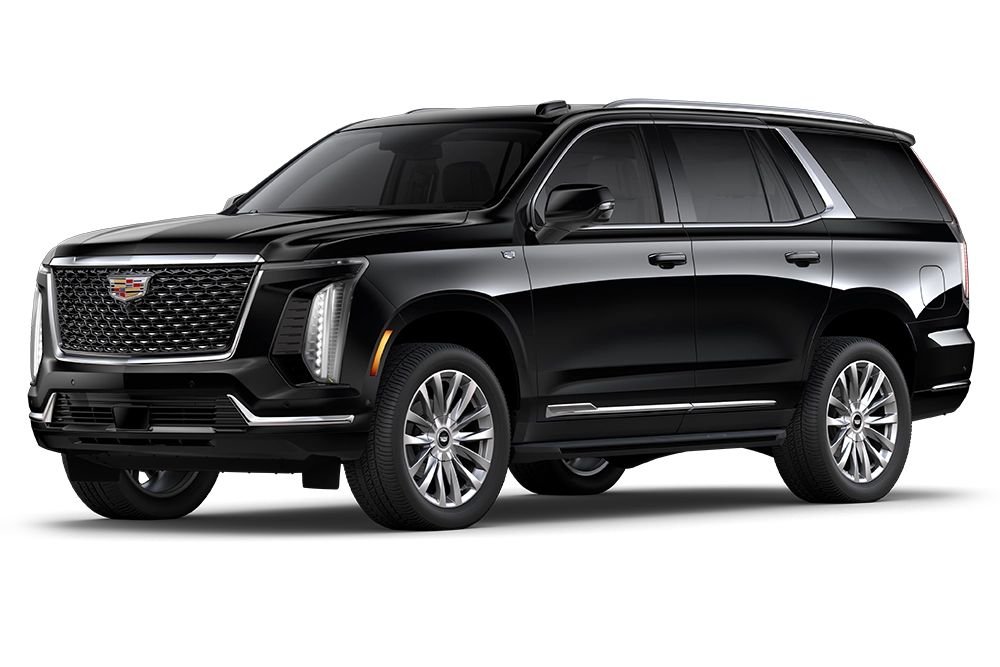
| Luxury SUV | Families, principals, security-supported travel and additional baggage. | Usable seats, bag volume and any specialized equipment. |
| Executive Sprinter | Corporate teams, delegations, crews and passengers traveling together. | Seat configuration, luggage capacity and authorized staging area. |
| Multiple vehicles | Separate movement for principals, staff, security, crew or luggage. | Passenger assignment, lead contact and destination for each vehicle. |
| Mini coach or coach | Larger delegations, production teams and organized group movements. | Manifest, airport access, loading time, storage and route requirements. |
These answers explain the OPF-specific planning process. Final access, availability and vehicle assignment remain reservation-specific.
Provide Miami-Opa Locka Executive Airport, the exact FBO, aircraft tail number or callsign, expected arrival time, lead passenger name and mobile number, passenger count, luggage estimate, requested vehicle and final destination. Communicate any revised airport, facility or aircraft information before dispatch.
OPF has multiple fixed-base operators, and the chauffeur cannot rely on the airport code alone to identify the correct passenger meeting point. The named facility helps guide staging, communication and handoff planning. Use the FBO confirmed by the flight department or operator.
Plane-side access is not guaranteed. It depends on airport rules, FBO procedures, security requirements and approval for the individual movement. When ramp entry is unavailable, the chauffeur meets the passenger at the private terminal lobby, curb or another location designated by the FBO.
Available aircraft information provides timing context, but the traveler, flight department or authorized coordinator should communicate material changes. An earlier or later movement can affect chauffeur staging. A different airport, FBO or aircraft identifier must be reported because it changes the pickup plan.
Yes. An executive assistant, charter broker, family office, flight department or travel manager can coordinate the reservation for another passenger. Include both the lead traveler and arranger contacts, along with the aircraft, facility, luggage, destination and all relevant schedule details.
Yes. A multi-vehicle plan can assign separate transportation to principals, family members, assistants, security staff, crew or additional baggage. Every vehicle should have a clearly defined passenger or luggage assignment, contact person, meeting point and destination before the movement begins.
Hourly service can be requested for meetings, meals, hotels, shopping, events, several destinations or a possible return to the aircraft. Share the expected service window and known stops in advance so the reservation structure and vehicle availability can be reviewed correctly.
Send the FBO, aircraft identifier, expected movement time, passenger contact, travelers, luggage, destination and requested vehicle. Include plane-side access as a request rather than an assumption.